


Adviсes • 24 March, 2026
How to avoid jet lag and adapt to the new time zone faster
Centrum Air flights Centrum Air allow passengers to reach the other end of the world in just a few hours. Long-distance flights open new horizons, but are often accompanied by an unpleasant satellite - jet lag (time zone change syndrome). Sleep disturbance, decreased concentration, feeling down, and weakness can ruin the first days of a business trip or long-awaited vacation.
However, there are scientifically based methods that allow minimizing this discomfort. In this article, we offer a systematic approach to preparing and conducting flights, which will help your body adapt faster and more comfortably.
What is jetlag and why does it arise?
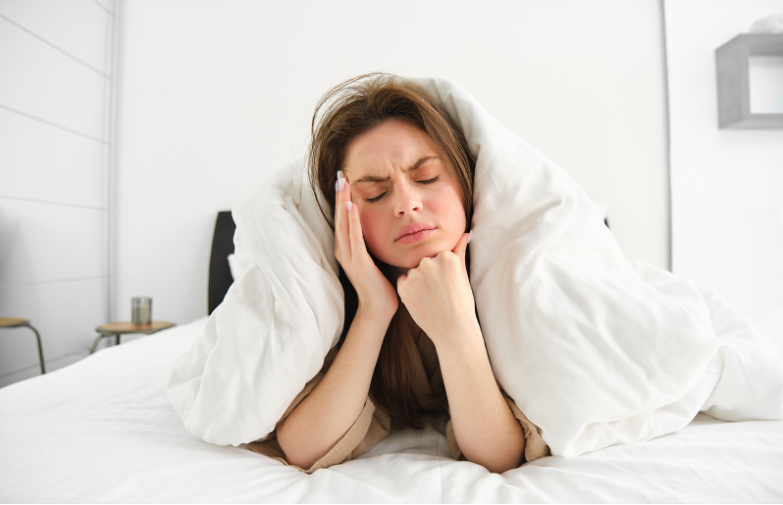
Jet lag is a physiological disorder that occurs when rapid movement occurs across several time zones. This condition is related to the disruption of the body's biological clocks, which regulate the cycle of sleep and wakefulness. Our circadian rhythms are set to a specific mode, and when we cross several time zones, they don't have time to synchronize with local time. As a result, there is a feeling of fatigue, insomnia, headaches, and problems with concentration.
Symptoms usually appear in the first 1-2 days and depend on the number of belts: up to 3 - mild, 4-6 - moderate, 7+ - severe. Age also plays a role: after 40-50 years, adaptation slows down. Women sometimes tolerate jitlag slightly more severely due to hormonal characteristics. Without intervention, complete adaptation takes approximately 1 day for each belt (to the east - slightly more, to the west - slightly less) - from several days to a week, depending on how quickly the organism adapts. Usually, the symptoms intensify during flights to the east, as it is more difficult for our body to "shorten" the day than to "extend" it.
Pre-flight preparation

Many passengers mistakenly believe that adaptation begins upon arrival. In fact, it is possible and necessary to lay the foundation for easy acclimatization in advance, and not on the eve of departure. The smoother the transition, the less stress the body experiences. Our biological rhythms possess a certain plasticity. They can be "adjusted" to future changes, gradually shifting the time between going to bed and waking up. This method is especially effective for business travelers who fly frequently and for tourists traveling to regions with a time difference of more than 5-6 hours.
The main principles of preparing for the change of time zones include the following recommendations:
● Adjust sleep schedule. Start shifting sleep and morning wake-up times 3-4 days before your planned departure. The shifting step should be 30-60 minutes per day. This allows the "internal clock" to gradually adjust to the new rhythm without stress associated with sudden schedule changes;
● Eating schedule adaptation. The digestive system also has its own circadian rhythms. A few days before the flight, try to shift the meal time to the destination country's schedule. Pay attention to dinner: it should be light and no later than 3 hours before bedtime according to the newly planned time;
● Light mode adjustment. Light is the main rhythm synchronizer. Depending on the direction of flight, adjust the light exposure. When flying east, it is beneficial to increase the amount of bright light in the mornings to help the body wake up earlier. When flying west, on the contrary, you should dim the lights in the evenings.
Why is a comprehensive approach, including sleep, nutrition, and light, so important? The fact is that there is no unified clock in the human body. There are "peripheral oscillators" - internal clocks in the liver, pancreas, and other organs. They synchronize with the main "hours" in the brain, but they do this with delay and under the influence of local signals, such as food intake. The coordinated operation of all systems allows acclimatization to proceed as smoothly as possible and without pronounced jet lag symptoms.
Aircraft behavior strategy
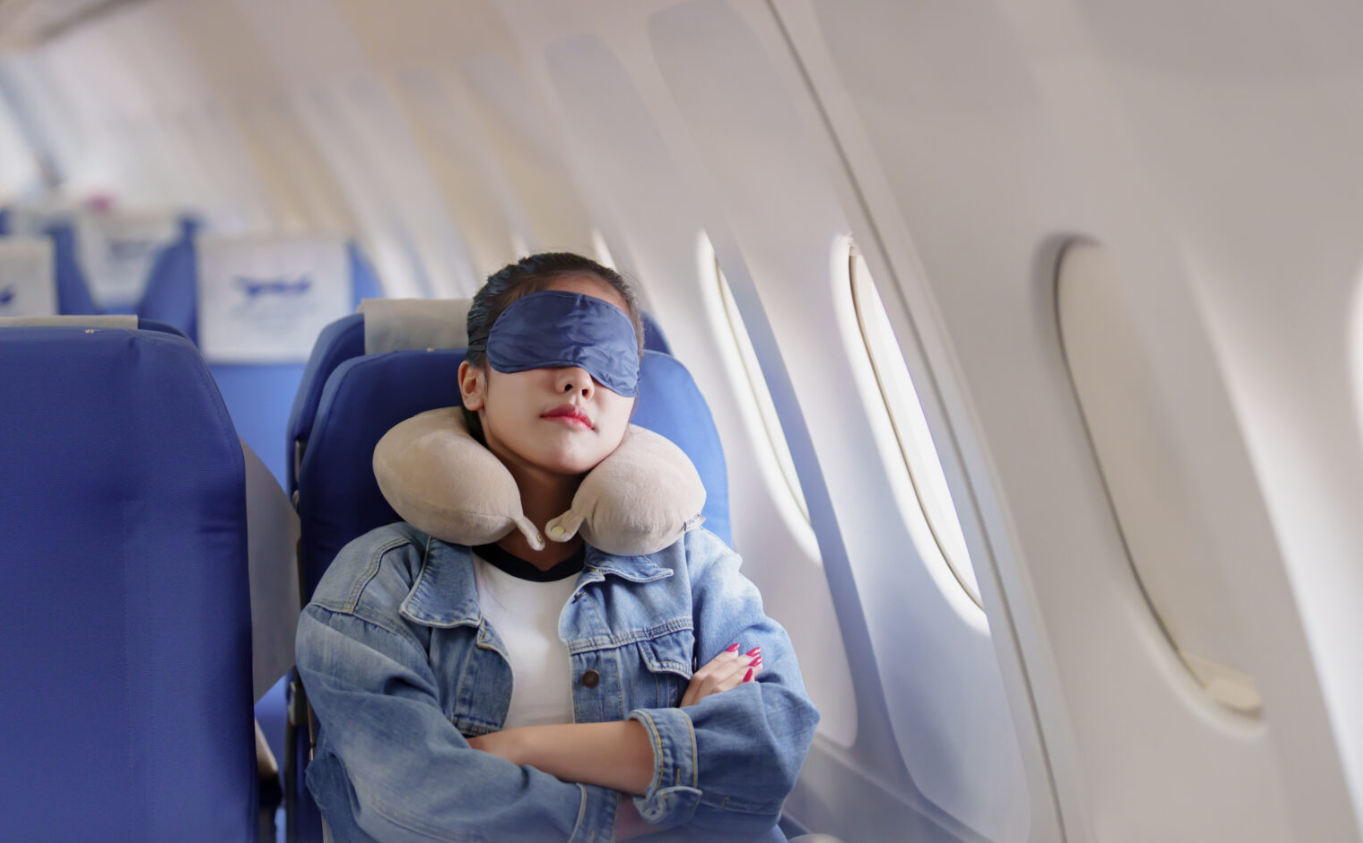
The flight itself is an important stage where your adaptation success is established. In a closed space and a fixed flight schedule, you have a unique opportunity to "deceive" your body and start restructuring its rhythms in advance. The main principle is simple: as soon as you occupy the chair, you must move to that time zone where you are heading. Many passengers make mistakes trying to follow their usual routine or relying on "maybe," but chaotic behavior only increases stress. It is important to act according to a plan, synchronizing your rhythm with the future time of day. Airlines offer comfortable conditions for sleep and entertainment, and they should be used consciously.
For the flight to be as beneficial as possible for your biorhythms, it is recommended to follow the following tactics:
● Switch to new time. Immediately after boarding the plane, switch all your watches (mobile, phone) to your destination time. This is a simple but powerful psychological technique. From now on, you live according to this schedule, and all your actions - sleep, food, wakefulness - you must plan based solely on it;
● Sleep management. If the arrival time is now night, your goal is to sleep. Use a sleep mask, earplugs, or noiseless headphones. Roll back the chair and try to create the most comfortable conditions. If the day is at your destination, stay awake. Watch movies, work, read. It's crucial not to succumb to the temptation to doze off, even if you're flying at night at home time;
● Eating behavior. Eat according to the arrival time. If it's time for breakfast, lunch, or dinner according to the new schedule - eat, even if your stomach isn't ready for it. Conversely, if dinner is served on board and the destination is deep at night, it's better to refuse food or limit yourself to a light snack to avoid straining the digestive system before bed.
● Control of hydration. Dehydration is one of the main factors that intensifies fatigue and "head fog" during jet lag. The air in the aircraft cabin has extremely low humidity (around 10-20%). Therefore, it is necessary to drink clean, non-carbonated water significantly more than usual. The recommended volume is at least 200 ml per hour of flight.
Compliance with these simple rules allows you to start the adaptation process already on board the aircraft. The body receives clear signals: "now is day" or "now is night" - and begins to adjust hormone production accordingly. Especially important is abstaining from alcohol. There is a common misconception that alcohol helps to fall asleep. In reality, alcohol disrupts the structure of sleep, depriving it of deep, restorative phases. As a result, you wake up even more broken, and alcohol-induced dehydration only intensifies the negative symptoms.
First days after arrival
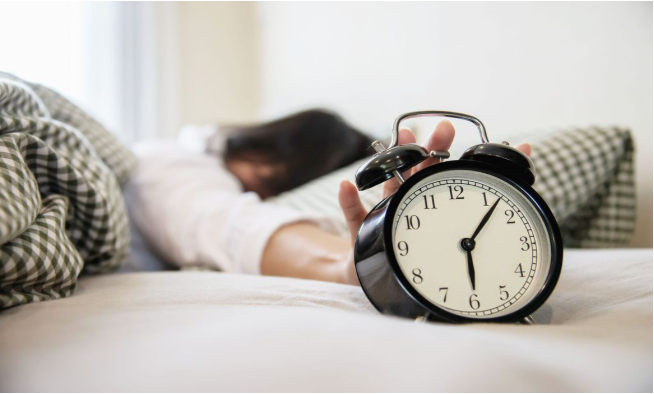
After landing, the most crucial stage begins: how you spend the first 24-48 hours at the new location depends on how many days it will take to recover. During this period, external factors most strongly affect your inner clock, helping it quickly reconfigure or fix itself in a "disoriented" state. Even with perfect behavior on board, the body still experiences stress, the depth of which depends on the time difference. However, by acquiring knowledge, you can turn acclimatization into an interesting challenge. The main tools are light, physical activity, and willpower, especially in the first hours after arrival.
1. Light therapy. Sunlight is the most powerful regulator of circadian rhythms. It suppresses the production of melatonin (sleep hormone) and signals the brain that waking time has arrived.
● Arrival in the morning or afternoon: Soon after staying at the hotel, go outside. Spend at least 30-60 minutes in natural light. Even cloudy weather is more effective than artificial indoor lighting;
● In the evening: avoid bright light, especially the blue spectrum from gadget screens. 1-2 hours before sleep, dim the light to signal the body to produce melatonin.
2. Fighting daytime sleep. This is the most difficult, but also the most important rule. If you arrived in the morning, you must live to see the evening. Daytime sleep will "reset" your settings and adaptation will start over again.
● If drowsiness is unbearable, one short "siesta" is permissible - no more than 20 minutes in the first half of the day. Turn on the alarm.
● The following can help boost your spirits: easy physical activity (walking, stretching), washing with cool water.
3. Questions of pharmacology. Sometimes, melatonin preparations are used to ease sleep in the new regimen. It is important to understand that this is a hormonal agent, and before using it, it is strongly recommended to consult a doctor. The specialist will help determine the dosage and reception scheme based on the direction of flight and individual characteristics. Self-determination can disrupt natural biorhythms.
Why is it so important to stay awake for the first day? Our circadian rhythm is reinforced by "sleep-wake" cycles. One complete nighttime sleep at local time is a powerful signal for the suprachiasmatic nucleus. If you manage to stay awake during the day and get a good night's sleep on your first local night, your inner clock will rearrange with a 80-90% probability. On the second day, you will feel practically a full-fledged resident of this time zone.
What should be avoided

For successful adaptation, it's important not only to follow the right actions but also to know about common mistakes:
● Alcohol abuse during flight and upon arrival. Alcohol distorts the nervous system, disrupts sleep cycles, and dehydrates the body;
● Trying to get enough sleep "in reserve." It's impossible to stock up on sleep like on food. Change your sleep schedule before departure should be gradual, but not excessive;
● Using gadgets before bed. The bright screen of a smartphone or tablet suppresses melatonin production, making it difficult to fall asleep.
Ignoring these warnings often leads to even a perfectly planned flight ending in a few days of "falling out of life." A person arrives at their destination, but spends the first days in a "zombi" state, unable to work or enjoy rest.
Conclusion
Jet lag is the body's natural reaction to the change of time zones, and it's not always possible to avoid it completely. However, following the recommendations above, you can significantly reduce the discomfort period and gently reconfigure the internal clock.
For your convenience, we have compiled the main recommendations into a brief travel checklist:
● 3-4 days before departure. Start shifting sleep and wake-up times towards the new belt;
● On the day of departure. Drink more water, exclude alcohol and heavy foods;
● On board the plane. Transfer your watch to the arrival time and live by it. Sleep if it's night, stay awake if it's day;
● Immediately after arrival. Go to the light, walk for at least an hour, and stay awake during the day;
● On the evening of the first day. Turn off the lights, discard gadgets an hour before bed, take a warm shower.
Travel opens new horizons, gives vivid emotions and valuable experience. Let your body be your helper, not a brake on the path to new experiences. Following these simple but effective rules will allow you to meet each new dawn in any part of the world cheerfully, full of strength, and ready for new discoveries.
Become a guide to the world of travel